Coordinate warm clay floors and ventilated facades for durable, phased hospitality projects abroad.
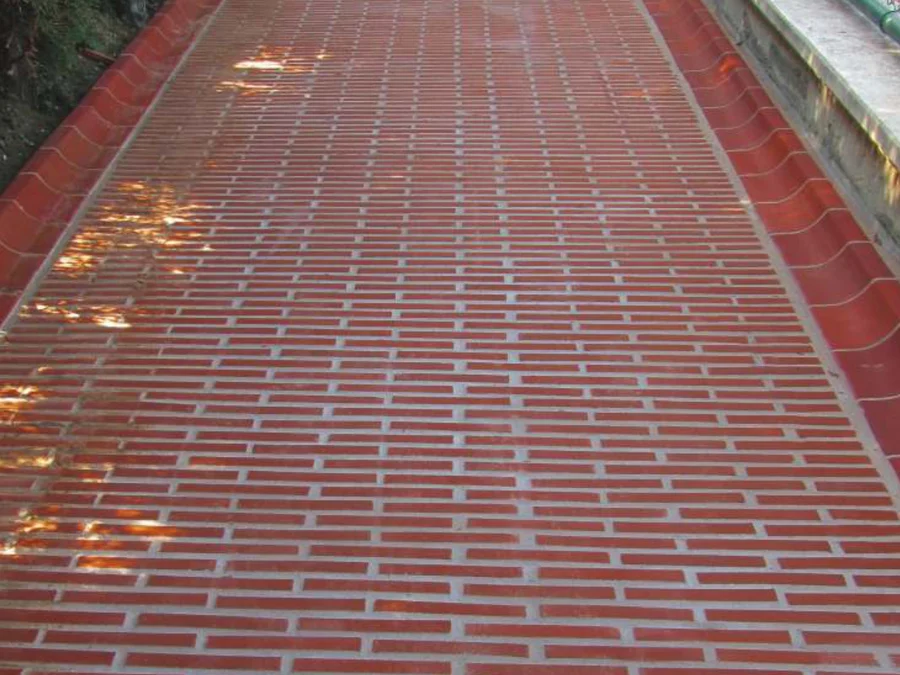
Hospitality projects often use terracotta floor bricks to create durable, warm public spaces while terracotta panels or facade cladding brick define the exterior identity. Coordinating both surfaces early helps match tones, joints, thresholds and maintenance expectations across terraces, entrances and facades.
For floors, confirm the substrate, falls, drainage, edge restraint, movement joints and the installation team's recommended laying method. Protect delivered materials from staining and release pallets by area so the installer can blend the intended color variation.
For facade work, coordinate mechanical facade systems with window surrounds, service penetrations, fire barriers, access for replacement and the building sequence. A small full-scale sample can check the relationship between terracotta panel lines, clinker brick accents and lighting before a large order is released.
Export planning for resorts and hotels in European, Balkan, Caucasus and Central Asian markets should state delivery phases, pallet weights, protected storage, spare quantities and a simple handover checklist. Project-specific safety, fire, structural and local code reviews remain essential.